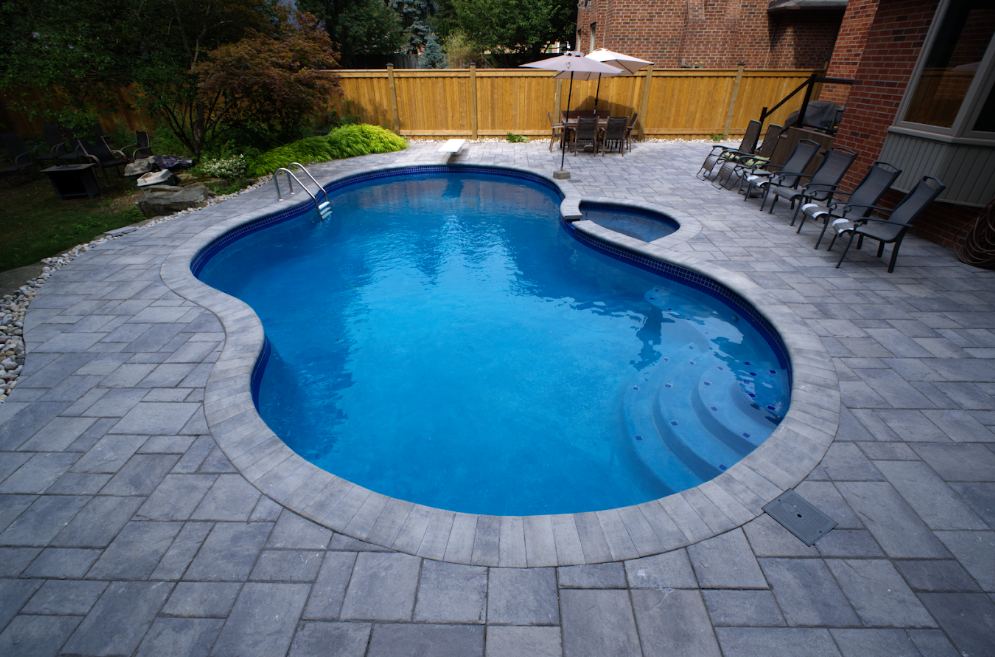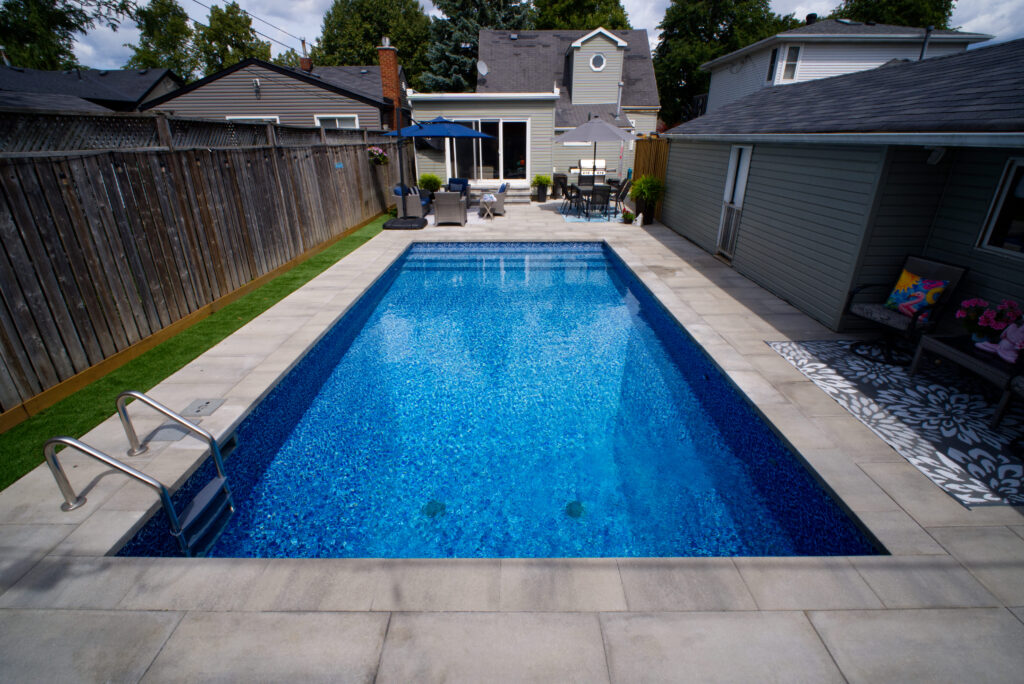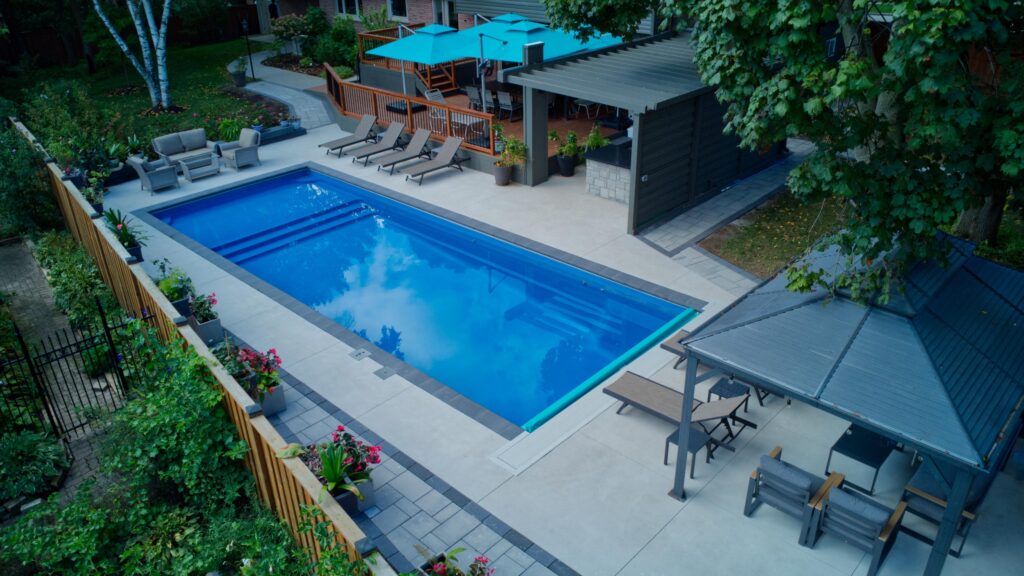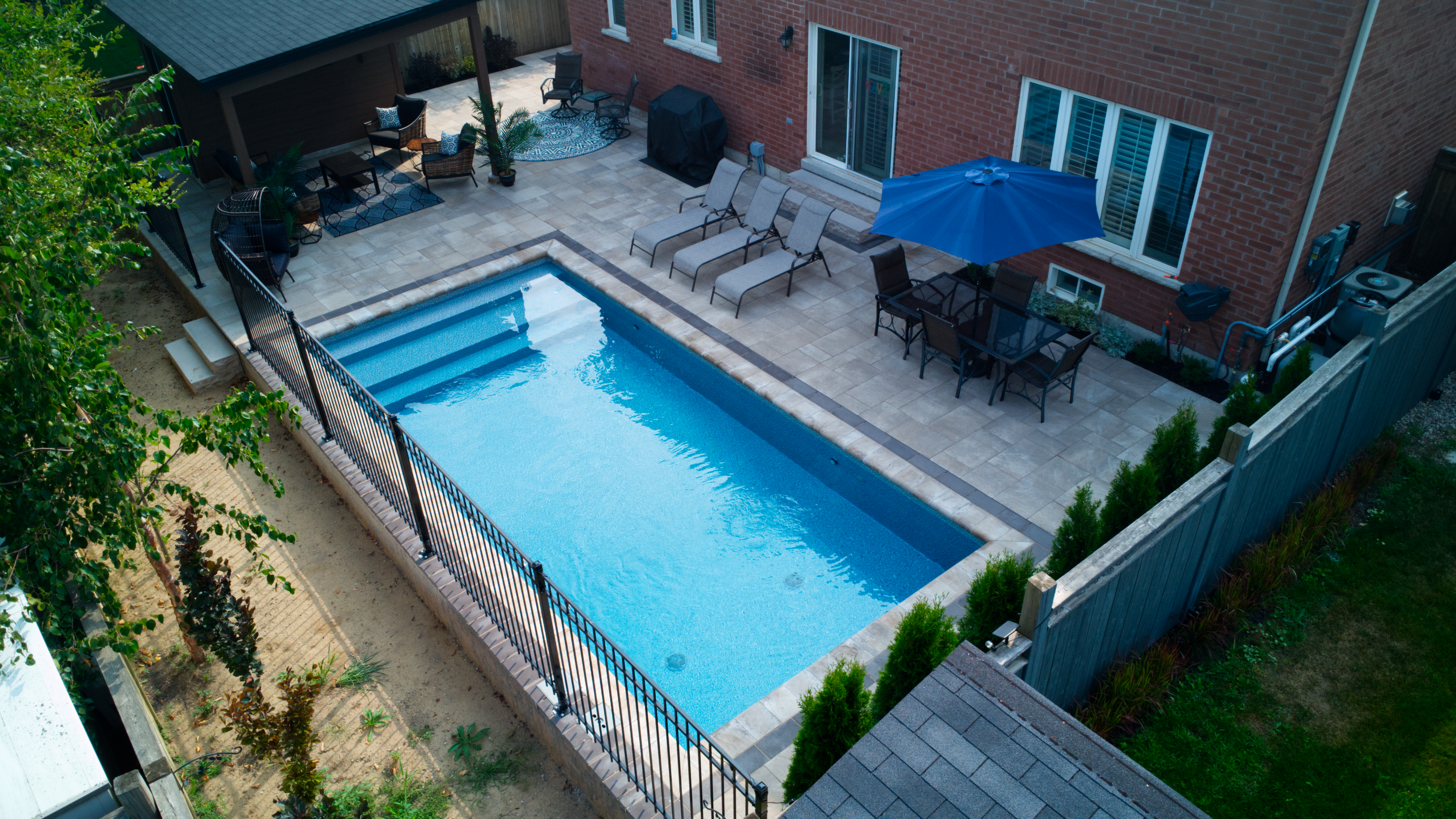
The best time to build a pool in Ontario: why fall winter bookings win comes down to preparation, scheduling, and making the most of next summer. While most people start thinking about swimming when warm weather hits, experienced homeowners know that planning ahead can make the entire pool installation experience easier.
Booking an inground pool during the fall or winter off season gives you extra time to review designs, secure permits, compare materials, and arrange construction before the spring rush.
At Mayascapes Pools, we encourage homeowners to start planning early so their backyard transformation can move forward with fewer last-minute decisions.
Why Fall Is Often the Best Time to Build a Pool in Ontario
Fall offers an excellent balance between workable construction conditions and reduced seasonal demand.
During spring, pool builders receive an influx of inquiries from homeowners hoping to swim that same summer. By late summer and fall, scheduling may become more flexible as existing projects approach completion.
For homeowners planning an inground pool, autumn provides an opportunity to discuss installation requirements without the urgency of peak swimming season.
Fall pool installation can also allow landscaping and surrounding surfaces to recover before the following summer.
Avoiding the Spring Rush
Spring is often the busiest time for pool contractors. Homeowners begin requesting estimates, construction crews fill their schedules, and popular materials may have longer ordering lead times.
Booking during the off season gives your pool project a head start.
Instead of competing for limited installation dates when warm weather hits, you can begin spring with a developed design and clearer construction schedule.
More Time for Pool Design
Early planning allows homeowners to explore different inground pool shapes, equipment packages, and backyard layouts.
Whether choosing a fiberglass pool, vinyl liner system, or custom concrete pools, thoughtful design decisions affect both appearance and long-term maintenance.
Fall also provides time to consider water features, heating, lighting, and surrounding landscaping before excavation begins.
Better Scheduling Opportunities
Flexible scheduling is another advantage of off-season planning.
Pool builders may have more availability for consultations, site assessments, and preliminary design work during fall and winter.
This does not guarantee earlier installation, but it improves your opportunity to coordinate construction timelines before peak demand.
Is Winter Actually a Good Time for Pool Installation?
Winter can be an ideal time to book a pool, although it is not always the ideal time to excavate.
Ontario’s frozen ground, snowfall, and fluctuating weather conditions can complicate physical construction.
However, winter is valuable for completing the administrative stages of pool installation.
Homeowners can finalize designs, review contracts, prepare permit applications, and arrange materials while waiting for suitable construction conditions.
What Can Be Completed During Winter?
Several important steps do not require active excavation.
These include reviewing surveys, selecting the pool type, establishing budgets, discussing landscaping, and preparing necessary permits.
For a new pool, this early planning can reduce the number of decisions remaining when installation begins.
Winter consultations also help homeowners understand expected scheduling and equipment requirements.
Why Frozen Ground Can Delay Excavation
Frozen soil makes excavation more difficult and can increase labour and equipment requirements.
Snow, ice, and limited site access create additional safety considerations for construction crews.
Concrete work may also require specialized cold-weather procedures.
For these reasons, installing a pool during winter is not always recommended, particularly in cold climates where soil conditions prevent safe or efficient excavation.
Winter Booking vs. Winter Construction
Booking and building are two separate decisions.
A winter booking reserves planning time and potentially a future construction window. Winter construction means physically installing the pool during colder conditions.
The most practical approach is often to start planning in winter while scheduling excavation for suitable weather.
Can Fall and Winter Pool Bookings Save Money?
One reason homeowners explore fall pool installation is the possibility of reducing costs.
Some pool builders offer seasonal promotions or flexible pricing during slower periods. However, discounts depend on the contractor, project scope, and availability.
Savings of $3,000 to $6,000 are sometimes advertised for off-season projects, but they should not be treated as guaranteed Ontario market savings.
The greatest financial benefit may come from planning ahead rather than receiving a direct discount.
Locking in Pricing Before Spring
Pool installation costs can change with labour rates, transportation, equipment, and material pricing.
Finalizing a written contract during fall may provide greater budget certainty for next summer.
However, homeowners should confirm whether the price is fixed, what allowances apply, and whether escalation clauses permit future adjustments.
Better Control Over Your Budget
Off-season planning gives homeowners additional time to compare quotations and decide which features matter most.
A realistic budget should include excavation, the inground pool structure, plumbing, electrical work, permits, decking, and landscaping.
Identifying these expenses early can help save money by reducing unexpected changes during construction.
What Does It Cost to Build an Inground Pool in Ontario?
Pool installation costs depend heavily on materials, pool dimensions, access, and surrounding construction.
For 2026 planning, these are indicative Toronto and Southern Ontario market ranges:
| Pool type | Approximate installed cost | Typical considerations |
|---|---|---|
| Vinyl liner inground pool | $50,000–$90,000 | Dimensions, liner, excavation |
| Fiberglass pool | $65,000–$120,000 | Shell size, transportation |
| Concrete pool | $100,000–$220,000+ | Custom shapes, finishes |
| Decking and landscaping | Additional | Materials, grading, features |
The pool structure and excavation are usually among the most expensive components of the installation.
Premium landscaping, outdoor kitchens, retaining walls, and elaborate water features can increase the total substantially.
How Long Does Pool Installation Take in Ontario?
A complete pool installation often requires approximately eight to sixteen weeks of construction and finishing, although simpler projects can take less time.
Construction timelines depend on the selected pool type, permit approvals, weather, and site complexity.
A fiberglass pool may have a shorter on-site installation period than a custom concrete pool because the shell arrives prefabricated.
However, even a quick pool install can require additional time for fencing, equipment, inspections, and landscaping.
Why Permit Approvals Matter
Municipal permits should be addressed before excavation.
Requirements vary across Ontario. Some municipalities require pool enclosure approvals, grading documentation, deposits, and inspections.
For example, Mississauga requires pre-installation approvals for qualifying pools, while Milton requires a pool permit and enclosure inspection.
Starting applications during the off season helps identify missing documents, although fall applications are not guaranteed to receive faster approval.
Why Spring Weather Creates Delays
Spring weather in Southern Ontario can be unpredictable.
Heavy rain may saturate excavation areas, delay equipment access, and interrupt grading or concrete placement.
Starting planning early allows construction schedules to accommodate weather related delays without making an unrealistic promise of an early summer completion.
Fall Construction Can Give Your Landscaping Time to Recover
Installing a pool requires significant changes to the backyard.
Excavation machinery, soil removal, plumbing installation, and equipment deliveries can disturb grass, gardens, and existing pathways.
Completing suitable construction during fall may give the yard additional recovery time before summer.
Restoring Grass and Garden Areas
Fall can provide favourable conditions for sod installation and certain planting work, depending on temperatures and ground conditions.
Landscaping completed before winter may establish further during the following spring.
However, late-season planting requires attention to rooting time, watering, and winter protection.
Coordinating Patios and Hardscaping
A complete backyard project often includes more than the pool itself.
Decking, interlocking patios, natural stone, fencing, and outdoor lighting require coordinated scheduling.
Planning these elements early helps prevent conflicts between trades and ensures the surrounding installation supports the finished design.
Fall vs. Winter vs. Spring vs. Summer Pool Installation
Each season offers different advantages and limitations.
| Season | Main advantage | Main consideration |
|---|---|---|
| Fall | Planning flexibility and workable weather | Approaching freezing conditions |
| Winter | Time for design, permits, and booking | Frozen ground and limited excavation |
| Spring | Favourable start to swim-season construction | High demand and rain delays |
| Summer | Warm installation conditions | Busy schedules and lost swimming time |
For homeowners hoping to enjoy next summer, fall or winter booking is generally recommended, with physical construction scheduled according to site readiness.
How to Plan a Pool Build for Next Summer
The ideal time to start planning depends on the size and complexity of your project.
A simple fiberglass pool may require less construction time than a large custom design with extensive landscaping.
For a comprehensive inground pool installation, starting several months before your desired completion date provides greater flexibility.
September to November: Design and Budget
Begin exploring pool designs, obtaining estimates, and reviewing potential construction schedules.
A site visit can identify accessibility concerns, grading issues, and restrictions that may affect the project.
December to February: Permits and Materials
Use winter to finalize drawings, submit applicable permits, choose finishes, and confirm product availability.
Early planning also allows time for utility coordination and any additional municipal approvals.
March to May: Construction Preparation
As the weather improves, crews can review site conditions, confirm utility locates, and prepare for excavation once approvals are in place.
Installation scheduling should remain flexible around rain, frost, and ground conditions.
May to June: Finishing and Pool Opening
Depending on project progress, this period may involve decking, landscaping, safety inspections, equipment testing, and water balancing.
With a completed installation and required approvals, homeowners can look forward to swimming and enjoying lazy afternoons throughout the summer.
Common Questions About Building a Pool in Ontario
What Is the Cheapest Time of Year to Install a Pool?
Fall and winter may provide opportunities for promotions and more flexible scheduling. However, no season guarantees the lowest price. Compare detailed written quotes rather than relying on advertised savings.
Is It Cheaper to Get a Pool in Winter?
Possibly, if a contractor offers off-season incentives. Physical winter construction can also become more expensive due to frozen ground and weather complications. Booking in winter is different from excavating in winter.
What Is the Average Cost to Build a Pool in Toronto?
A typical inground pool in Toronto can cost approximately $60,000–$130,000, with highly customized designs exceeding that range. Pool type, excavation, equipment, decking, and landscaping determine the final price.
When Should You Open a Pool in Toronto?
Many homeowners schedule pool opening between late April and May, depending on weather and water conditions. Opening before water temperatures rise significantly may also help reduce algae development.
At What Temperature Should You Winterize a Pool?
Many pool professionals recommend winterizing once water temperatures are consistently around 15°C or lower. The appropriate timing also depends on overnight temperatures, equipment, and the manufacturer’s winterization instructions.
What Is the Average Lifespan of an Inground Pool?
A properly installed inground pool structure can last several decades. Fiberglass shells may last 25–30 years or longer, while concrete structures can last considerably longer with periodic resurfacing. Vinyl liners require replacement more frequently.
Why Book Your Pool With Mayascapes Before Spring?
At Mayascapes Pools, we believe a successful backyard transformation begins with careful planning.
Our team helps homeowners navigate pool design, construction requirements, equipment selection, and surrounding landscaping so each stage contributes to the finished outdoor space.
Whether you’re planning a family-friendly inground pool in Burlington, a custom design in Richmond Hill, or a complete backyard renovation elsewhere in Southern Ontario, starting early provides more opportunities to make confident decisions.
You can review materials, discuss schedules, and prepare the necessary documentation without waiting until the busiest time of year.
Start Planning Now, Swim Next Summer
The best time to build a pool is when your design, budget, approvals, and construction conditions align.
Fall and winter bookings give homeowners a valuable head start, helping them prepare for the warmer months instead of rushing once summer arrives.
If your goal is to have your pool ready for next summer, there’s no need to wait until the first warm days to begin.
Contact Mayascapes Pools today for a free quote and start planning your new backyard.