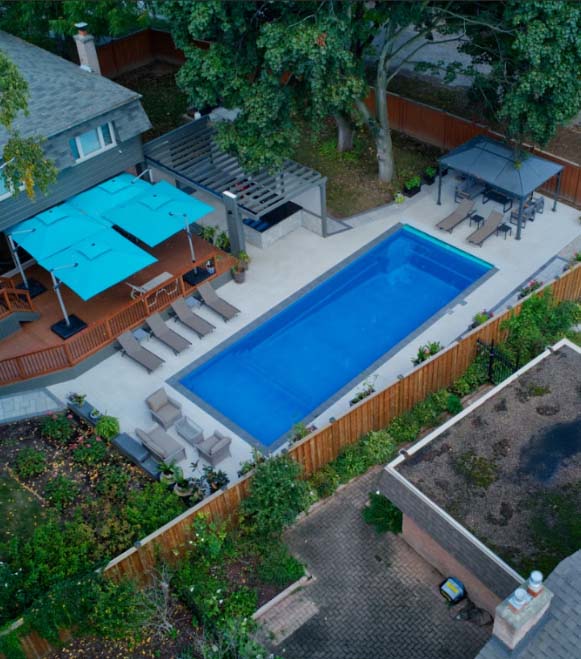
Planning a backyard transformation often begins with one question: how much will the complete project cost? For homeowners researching “inground pool cost in mississauga the gta 2026 prices,” the most useful answer is a realistic range rather than a single advertised number.
In 2026, a professionally completed inground pool in Mississauga or elsewhere in the Greater Toronto Area commonly begins around $65,000 for a straightforward vinyl project and can exceed $125,000 for larger, highly finished, or custom work. Fiberglass pools often fall in the middle-to-upper part of that spectrum, while concrete pools can move well beyond it. Published Ontario estimates vary because some prices cover only the pool shell, while others include excavation, decking, electrical work, fencing, permits, drainage, and landscaping.
This guide explains the major pool costs and what different price points may include. A site assessment is still needed before you break ground.
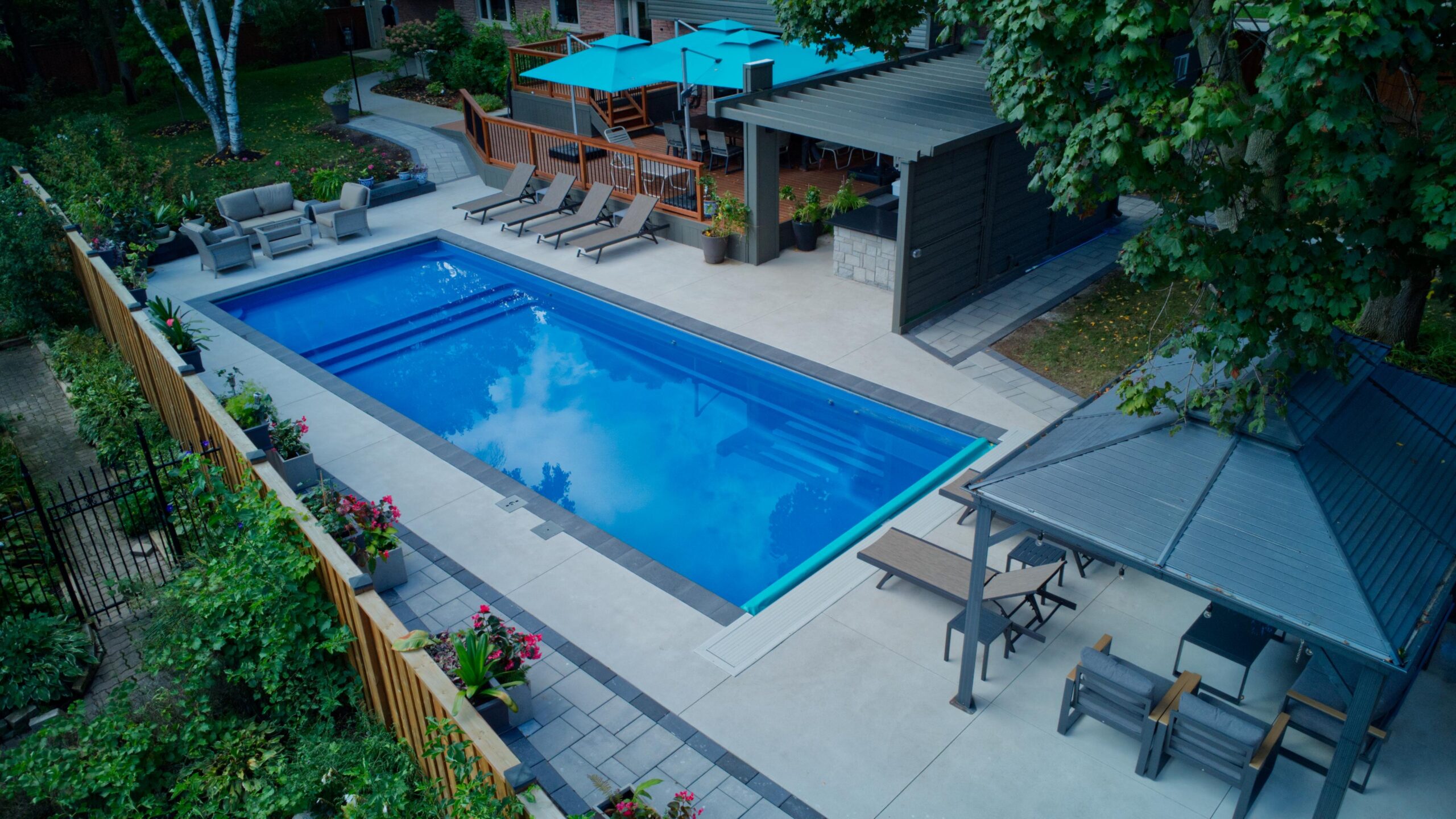
What an Inground Pool Really Costs in 2026
The cost of an inground swimming pool is not simply the price of a manufactured shell, a steel-wall kit, or concrete. A complete backyard project may include design, excavation, soil removal, plumbing, electrical work, pool equipment, coping, decking, drainage, grading, pool fencing, a pool enclosure approval, landscaping, water, startup, and final cleanup.
Online numbers can look inconsistent because one contractor may advertise a base pool install while another presents a turnkey outdoor space. For many Ontario homeowners, practical planning ranges are approximately $65,000 to $100,000 for streamlined vinyl work, $90,000 to $150,000 for many fiberglass pools, and $125,000 to $250,000 or more for concrete pools. These are not fixed prices. The final inground pool cost depends on the site, design, materials, and surrounding yard scope.
Regional pricing matters. The pool cost in Ontario reflects local labour, material delivery, municipal requirements, and the short construction season. The pool cost in Ontario can also differ between dense GTA neighbourhoods and cottage country, where travel, access, and servicing may change the work. A third factor in the pool cost in Ontario is whether the quote covers only the water feature or the complete finished yard.
For an accurate comparison, review pool costs line by line. Inground pool installation should identify excavation, base preparation, plumbing, electrical work, equipment, decking, and enclosure responsibilities. A second inground pool installation quote may look lower simply because it excludes important items. Ask each pool company to explain installation costs, allowances, and possible extras before signing.
Pool costs also vary among swimming pools of the same dimensions. One inground pool may use standard finishes, while another includes automation, heating, and premium hardscape. Vinyl pools can lower starting pool costs, but future liner work remains part of ongoing expenses. Fiberglass and concrete swimming pools may have different installation costs and ongoing maintenance needs. These differences affect pool costs, the complete inground pool cost, potential resale value, and the experience of ownership in the GTA or cottage country. A transparent pool installation proposal makes those trade-offs easier to understand.
Average Pool Cost Ranges by Type
The chosen pool type affects the shell, construction process, schedule, upkeep, and long-term operating costs. Vinyl liner pools generally offer the lowest entry price. Fiberglass pools provide a factory-built shell and relatively quick installation. Concrete pools provide the greatest freedom but normally involve higher installation costs and more maintenance.
Compare both the initial pool installation cost and future expenses, including liner replacement or surface renewal.
Vinyl-Liner Pool Cost
In the GTA, vinyl liner pools start near the lower end of the inground market, but a realistic completed project often falls between about $65,000 and $110,000. A compact rectangle with standard equipment and simple access may remain closer to the lower end. Larger pools, custom shapes, deeper designs, upgraded stairs, extensive decking, or retaining walls can raise the price.
A vinyl pool uses structural walls with a flexible vinyl liner over the floor and walls. It can be more budget-friendly than fiberglass or traditional concrete and can fit narrow yards. The quote should explain the wall system, base, steps, coping, plumbing, equipment, decking allowance, and future liner replacement. Water chemistry, sunlight, winter care, use, and accidental damage all affect liner life. Drainage and structural preparation matter more than the selected pattern.
Fiberglass Pool Cost
A completed fiberglass project in Mississauga commonly falls around $90,000 to $150,000, although compact installations may cost less and highly finished backyards may cost considerably more. Fiberglass pools arrive as a one-piece pool shell with built-in steps, benches, or tanning ledges depending on the model.
The fiberglass pool cost also includes transportation, crane access, excavation, backfill, plumbing, electrical work, coping, decking, fencing, and restoration. A fiberglass swimming pool may have a shorter on-site schedule because the pool shell is manufactured in advance. Its smooth finish can support easier cleaning and fewer chemicals. Tight access, tree protection, traffic control, or a larger crane can still change the pool installation cost.
Concrete / Shotcrete Pool Cost
Concrete pools usually occupy the highest price category. In Mississauga and the GTA, a professionally designed concrete project may begin around $125,000 to $150,000, while elaborate builds can exceed $250,000. Gunite pools with complex engineering, premium tile, natural stone, raised walls, attached hot tubs, beach entries, or integrated water features can cost more.
Traditional concrete construction is formed around reinforcing steel, allowing custom shapes, varying depths, integrated seating, and architectural details. It is often the premium option for a highly specific dream pool. The price reflects labour, engineering, curing, finishing, and a longer schedule. These surfaces may also require more maintenance, frequent chemical balancing, and eventual refinishing.
What Drives the Price of a Pool
The pool type sets the starting framework, but two similar swimming pools can have very different pool costs when one site requires a crane, soil export, drainage, or extensive hardscape.
Pool Size, Shape & Depth
Pool size affects excavation, materials, water volume, equipment requirements, decking, heating costs, and labour. Larger pools need more structure, plumbing, backfill, finishing, and energy. The difference between a compact family design and a large deep-end layout can be substantial.
Standard rectangles are generally efficient to build and cover. Custom shapes require more layout, forming, coping, or manufacturing. With concrete, beach entries and diving pools add engineering. A fiberglass swimming pool is limited to available models, while a vinyl liner design can add fabrication complexity. Greater depth increases soil removal, water volume, structural work, and demand on the pool heater.
Site Access & Excavation Conditions
Property access is one of the most important pricing factors in Mississauga. A wide, clear side yard may allow standard machinery to reach the work area. A tight lot may require smaller equipment, a crane, temporary fence removal, manual labour, or protection for neighbouring property.
Clay, buried debris, rock, groundwater, unstable soil, or utilities can affect installation costs. Exported soil adds hauling fees, while sloped yards may need retaining walls or engineered drainage. Before quoting, the contractor should review utilities, elevations, property lines, trees, and access. A site plan should coordinate the pool structure, setbacks, deck, equipment, pool enclosure, and outdoor space.
Decking, Landscaping & Hardscape
The area around the water can equal or exceed the visual impact of the pool itself. Concrete decking may offer a clean, economical surround. Interlock, porcelain, and natural stone can create a more detailed finish but increase labour and material costs.
The scope may also include steps, gardens, grading, sod, privacy screens, fire pits, cabanas, and drainage. A basic installation and a complete backyard oasis are not the same product. Confirm how many square foot of decking are included, along with base preparation, coping, edge details, and restoration.
Features, Heating & Automation
Additional features can improve the pool experience, but each one affects design and budget. Common upgrades include pool lights, deck jets, waterfalls, tanning ledges, automated sanitation, saltwater systems, safety covers, variable-speed pumps, and smart controls.
A pool heater extends the swimming season in Ontario’s climate. Gas heaters provide rapid heating, heat pumps can be energy efficient in suitable weather, and solar heating can offset demand on sunny sites. Automation can manage temperature, pool lights, water features, and sanitation. A premium automatic pool cover improves heat retention and debris control but requires structural planning.
Costs Beyond the Build
A complete budget should include approvals, annual service, utilities, repairs, and future replacement items.
Permits & Engineering
In Mississauga, the pool itself generally does not require a building permit, but the City requires approval for the pool enclosure, and the installation must comply with zoning setbacks and enclosure rules. The City’s 2026 installation guide calls for property documentation, including a legal survey, as part of the application process.
Permit fees and requirements can change, so confirm them with the City. Other approvals may apply to regulated land, grading, trees, electrical work, structures, or easements. Engineering may be needed for unusual soil, elevated decks, or drainage. The proposal should state whether surveys, permit fees, drawings, and inspections are included.
Opening, Closing & Seasonal Maintenance
Ontario’s climate creates a seasonal cycle. Budget for seasonal opening, winter closing, testing, cleaning, chemicals, and service. Vinyl liner pools need liner and water-level checks, fiberglass pools need balanced water, and concrete pools typically involve more maintenance. Plan for future vinyl liner replacement, pump repair, heater service, or cover renewal.
Heating, Utilities & Energy Use
Operating costs vary with pool size, temperature, weather, equipment efficiency, and season length. Gas heaters can use more fuel when run frequently, while heat pumps may improve energy efficiency. Variable-speed pumps, correct sizing, and consistent pool cover use can reduce operating costs. Saltwater systems automate chlorine generation but still need monitoring.
What You Get at Each Budget Tier
These budget tiers describe common possibilities, not guaranteed packages. Site conditions can move any pool project into another category.
$65K–$100K Builds
This range is generally associated with straightforward vinyl liner pools, compact designs, standard depths, basic equipment, and controlled access. Vinyl liner pools start with an attractive entry price, but full GTA projects can move upward once decking, electrical work, fencing, and restoration are added.
A project in this tier may include:
- A standard rectangular vinyl liner design.
- Basic circulation and sanitation equipment.
- Modest concrete decking or a limited hardscape allowance.
- Standard white pool lights or one simple lighting package.
- Required pool fencing and enclosure coordination.
- Basic startup and homeowner orientation.
A smaller pool size, standard shape, limited features, and favourable grading help protect this budget. Most completed fiberglass pools cost more.
$100K–$125K Builds
This range opens more choices. It may support a larger vinyl design, selected fiberglass pools, upgraded decking, improved equipment, automation, or a more complete landscape connection.
Possible inclusions are:
- A mid-sized fiberglass pool shell or upgraded vinyl liner project.
- Expanded decking in concrete or interlock.
- A pool heater, saltwater systems, and variable-speed equipment.
- Multiple pool lights, deck jets, or tanning ledges.
- Improved grading, drainage, gardens, and restoration.
- A stronger allowance for the pool enclosure and access logistics.
At this level, homeowners can focus on the complete outdoor space, although difficult excavation or crane work can quickly use the budget.
$125K+ Custom Builds
Budgets above $125,000 can support high-end fiberglass pools, larger pools, custom vinyl pools, or the beginning of many concrete pools. The range becomes broad because custom work can extend past $250,000.
A luxury pool project may include custom shapes, shallow-entry designs, integrated hot tubs, raised walls, premium coping, stone finishes, large patios, outdoor kitchens, automation, landscape lighting, privacy features, and sophisticated drainage. Concrete and gunite pools are especially suited to one-off geometry and architectural integration.
This tier can also cover difficult sites, engineered systems, demolition, and detailed landscape construction.
How to Get an Accurate Pool Quote
Start with a site visit and a clear conversation about how the yard will be used. Share a survey when available and identify preferred dimensions, depth, pool type, features, timing, and total investment range.
A detailed quote should explain:
- The selected pool shell, wall system, or concrete specification.
- Excavation assumptions and soil removal.
- Plumbing, electrical work, and pool equipment.
- Decking quantity and material allowances.
- Drainage, grading, and landscape restoration.
- Pool fencing, the pool enclosure application, permit fees, and engineering.
- Heating, automation, cover, lighting, and additional features.
- Payment milestones, exclusions, warranties, and change-order procedures.
Confirm whether taxes, water, utility relocations, gas heaters, surveys, and approvals are included. The most dependable inground pool cost comes from real site conditions; a number given before an access and elevation review is preliminary.
Financing & Ways to Manage the Investment
Homeowners may use savings, home-equity borrowing, personal loans, or contractor-arranged financing. Each option has different interest, fees, conditions, and risk, so review the full borrowing cost before committing.
Separate essentials from optional upgrades. Complete structural work, drainage, safety requirements, and core equipment correctly, then phase gardens or furnishings when practical. Standard dimensions, limited non-standard geometry, energy efficient equipment, and a firm hardscape allowance can control pool costs. Never cut critical base preparation, drainage, electrical safety, or enclosure work.
Plan Your Pool Budget With Mayascapes
Mayascapes helps Ontario homeowners plan swimming pools around the complete property—not only the water. Our process considers access, grading, drainage, shell selection, hardscape, planting, heating, automation, safety, and municipal requirements before construction begins.
Whether the goal is a practical vinyl liner design, a fiberglass swimming pool, or a custom concrete centrepiece, the right plan begins with a transparent scope. We explain inclusions, cost factors, and choices at different price points. Considering construction and long-term expenses together helps homeowners choose an inground pool that fits the yard and desired swimming season.
FAQs
How much does an inground pool cost in Mississauga?
The answer to “how much does an inground pool cost?” depends on the pool type and property. Many 2026 Mississauga projects begin around $65,000 to $100,000 for straightforward vinyl work. Fiberglass pools often fall around $90,000 to $150,000, while concrete pools may start near $125,000 to $150,000 and exceed $250,000. Access, excavation, size, decking, equipment, fencing, and features determine the final price.
Which pool type is the cheapest to install?
Vinyl liner pools are generally the least expensive inground option. An above ground pool costs less but offers a different lifespan and experience. Include future vinyl liner replacement when comparing pool costs.
What ongoing costs should I budget for?
Budget for seasonal opening and closing, chemicals, electricity, water, heating, cleaning, service calls, and future equipment repairs. You may also eventually replace a vinyl liner, pool cover, pump, sanitizer, or pool heater. Ongoing costs vary with size, temperature, equipment, usage, and whether maintenance is professional or do-it-yourself.
Does a pool add value to my GTA home?
A well-designed installation may improve property value and buyer appeal when it preserves functional outdoor space. Resale value is not guaranteed and depends on neighbourhood demand, condition, and buyer preferences. Build primarily for lifestyle.
Do you offer financing or payment plans?
Financing and payment arrangements can vary by project and season. Contact Mayascapes to discuss current options and the payment schedule attached to your proposal. Any financing should be reviewed based on the interest rate, fees, term, monthly payment, and total repayment amount.